
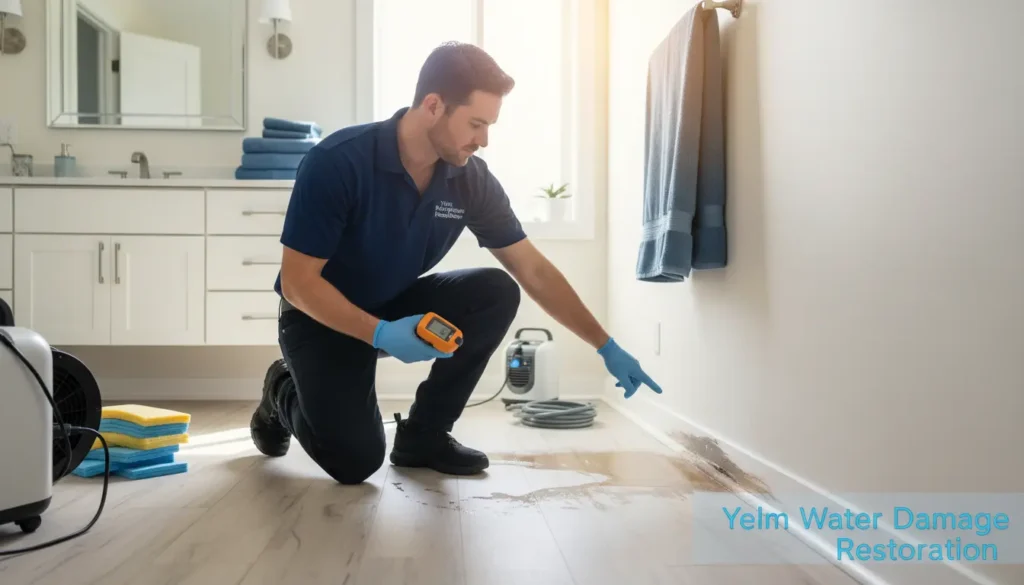
Living in the lush, rainy Pacific Northwest means Yelm homes are no strangers to moisture challenges. With our frequent downpours and proximity to rivers like the Nisqually, water damage can sneak up on you faster than a summer storm. As a homeowner in Yelm, ignoring subtle signs could lead to costly repairs, structural issues, or even health hazards from mold growth. At Yelm Water Damage Restoration, we’ve seen it all—from minor leaks in cozy bungalows to full floods in family homes. In this guide, we’ll uncover the five critical signs of water damage you can’t afford to overlook, packed with practical tips to protect your property. Whether you’re in Thompson Place or Prairie Park, staying vigilant is key to safeguarding your investment.
Why Water Damage is a Big Deal in Yelm
Yelm’s temperate climate, with average annual rainfall exceeding 50 inches, creates the perfect breeding ground for water intrusion. Homes here, often built with wood frames and nestled among evergreen forests, are particularly vulnerable. Unaddressed water damage doesn’t just ruin aesthetics; it compromises your home’s foundation, invites pests, and spikes energy bills from inefficient insulation. According to local building experts, early detection can save Yelm residents thousands in restoration costs. That’s where professional intervention shines—our team at Yelm Water Damage Restoration specializes in swift, reliable solutions tailored to our community’s unique needs.
The Hidden Costs of Ignoring Water Issues
Beyond visible repairs, water damage can lead to mold proliferation, which affects indoor air quality. In areas like Clear Creek, where humidity lingers, poor ventilation exacerbates this. Health risks include respiratory problems, especially for families with children or elderly members. Financially, insurance claims for undetected damage often result in higher premiums. By spotting signs early, you empower yourself to act before minor drips become disasters.
Sign 1: Warped or Buckling Floors and Walls
One of the most obvious yet often dismissed signs is physical distortion in your home’s structure. Wood floors in Yelm’s older homes, like those in Rochester neighborhoods, swell and warp when exposed to prolonged moisture from leaks or flooding.
How to Spot and Address It
Walk your home barefoot—feel for soft spots or uneven surfaces underfoot. Visually inspect baseboards for cupping or separation from walls. If you’ve recently dealt with appliance water damage, such as a washing machine overflow, this could be the culprit.
Practical Tip: Immediately dry the area with fans and towels. For persistent issues, consider renting a dehumidifier rental service to pull excess moisture from the air. Avoid walking on affected areas to prevent further spreading. In Yelm’s variable weather, where spring rains can seep under doors, regular inspections around entryways are essential. If warping persists, call Yelm Water Damage Restoration for a professional assessment—we use advanced moisture meters to pinpoint hidden sources.
Sign 2: Musty Odors and Visible Mold Growth
That unmistakable earthy, mildew scent? It’s a red flag waving from water-damaged areas. In humid Yelm basements or attics, mold thrives within 24-48 hours of exposure, turning a small leak into a health nightmare.
Identifying the Source and Taking Action
Sniff around damp-prone spots like bathrooms, laundry rooms, or crawl spaces. Black, green, or white fuzzy patches on walls signal active growth. Yelm’s foggy mornings contribute to condensation buildup, especially in homes without proper ventilation.
Actionable Advice: Ventilate immediately by opening windows or using exhaust fans. Clean small mold spots with a vinegar solution (1:1 water ratio), but wear gloves and a mask. For larger infestations, our air quality testing service can evaluate spore levels and recommend remediation. Don’t scrub mold without addressing the moisture source—recurrence is common in our rainy climate. Local tip: In Orting, where homes border wetlands, annual HVAC maintenance prevents odor buildup.
Sign 3: Stains and Discoloration on Ceilings and Walls
Yellowish-brown stains from roof leaks or plumbing issues are telltale signs. In Yelm, where heavy winter snowmelt strains gutters, ceiling spots often appear after storms.
Steps for Inspection and Prevention
Climb a ladder to check attics for wet insulation or dripping pipes. Wall stains near appliances might indicate a slow drip. These aren’t just cosmetic— they signal ongoing water migration that weakens drywall.
Pro Tip: Document stains with photos for insurance purposes. Patch small areas with primer and paint after drying, but for extensive damage, opt for residential flood repair to restore integrity. Yelm homeowners should clean gutters twice yearly, especially post-rainy season, to divert water from foundations. If stains spread, our experts use thermal imaging to detect leaks without invasive tearing.
Sign 4: Peeling Paint and Blistering Surfaces
Moisture trapped under paint causes bubbling or flaking, common in Yelm’s exterior walls exposed to sideways rain. Interior blistering often stems from high humidity in bathrooms or kitchens.
DIY Fixes and When to Call Pros
Test by pressing on bubbles—if they yield, moisture is present. Scrape gently and apply a moisture-barrier primer before repainting.
Practical Advice: Improve airflow with dehumidifiers in problem rooms. For fabrics affected nearby, our upholstery cleaning service removes embedded moisture from couches and curtains. In Yelm’s community of ranch-style homes, check siding for cracks after wind events. Persistent peeling warrants a full inspection to avoid rot in underlying wood.
Sign 5: Increased Humidity and Condensation Issues
Foggy windows or clammy interiors point to excess indoor moisture, often from poor sealing or hidden leaks. Yelm’s cool evenings amplify condensation on colder surfaces.
Monitoring and Mitigating Humidity
Use a hygrometer to track levels—ideal is 30-50%. High readings suggest ventilation problems or evaporating water from unseen sources.
Hands-On Tip: Seal windows and doors with weatherstripping. Run bathroom fans during showers for 20 minutes post-use. For basements in flood-prone Prairie Park, install sump pumps. If humidity persists, our team assesses for comprehensive solutions, preventing long-term issues like wood rot.
FAQ: Common Questions About Water Damage in Yelm Homes
1. How quickly should I act on water damage signs?
Act within 24-48 hours to prevent mold. Delays in Yelm’s damp climate can escalate minor issues into major repairs—contact Yelm Water Damage Restoration for emergency response.
2. Does homeowners insurance cover water damage?
Most policies cover sudden events like bursts but not gradual leaks. Review your policy and document everything; we assist with claims to maximize coverage.
3. Can I fix water damage myself?
Small, surface-level fixes are DIY-friendly, but structural or mold issues require pros. Our services ensure safe, thorough restoration without health risks.
4. How does Yelm’s weather contribute to water damage?
Frequent rain and snowmelt overwhelm drainage, leading to basement flooding. Local homes benefit from elevated foundations, but vigilance is crucial.
5. What if I suspect hidden water damage?
Use moisture detectors or hire us for infrared scans. Early detection in attics or walls saves thousands in Yelm’s variable conditions.
Conclusion: Protect Your Yelm Home Today
Water damage in Yelm homes doesn’t have to spell disaster if caught early. From warped floors to sneaky odors, these five signs demand your attention to preserve your home’s value and your family’s well-being. Armed with these insights and tips, you’re better equipped to maintain a dry, safe living space amid our rainy paradise. Don’t wait for the next storm—reach out to Yelm Water Damage Restoration for a free inspection or immediate assistance. Whether it’s residential flood repair or preventive advice, we’re here to serve Yelm and surrounding areas like Thompson Place. Call us now at (360) 123-4567 or visit our site to schedule your consultation. Your home deserves the best protection—let’s keep it dry together!
Leave a Reply