Water damage is one of the most common – and most confusing – claims Washington homeowners file. Between the Pacific Northwest’s rainy season, aging plumbing in older homes, and the occasional burst pipe during a cold snap, it’s not a matter of if you’ll deal with water in your home, but when. The problem is that most people don’t read their policy until after the damage is done, and by then it’s too late to make coverage decisions.
If you live in Yelm, Thurston County, or anywhere in the South Sound, here’s what you actually need to know about whether your homeowners insurance covers water damage – and what it doesn’t.
The Short Answer: It Depends on the Source
Homeowners insurance in Washington State typically covers water damage that is sudden and accidental. Gradual damage, neglect, or damage caused by flooding from an outside water source is usually excluded. Insurance companies draw a hard line between “water damage” and “flood damage,” and that distinction determines whether your claim gets paid or denied.
Generally Covered
- A pipe that bursts without warning
- A washing machine hose that suddenly fails
- Water damage from a fire department putting out a fire
- An appliance malfunction, like a dishwasher or water heater failure
- Ice dam damage from winter storms
- Roof leaks caused by a covered peril (like wind or falling debris)
Generally NOT Covered
- Flooding from rising water, storm surge, or overflowing rivers and creeks (this requires separate flood insurance)
- Gradual leaks that went unnoticed or unaddressed for weeks or months
- Sewer or drain backups (unless you’ve purchased a specific endorsement)
- Damage from poor home maintenance
- Groundwater seepage into a basement or crawl space
This is where a lot of homeowners get blindsided. If a pipe under your slab has been slowly leaking for three months and you didn’t catch it, your insurer may argue that’s a maintenance issue, not a covered peril — even though the water damage itself looks identical to a sudden burst pipe.
Why This Matters More in Washington’s Climate
Thurston County’s wet, mild winters create a specific set of risk factors. Homes here deal with near-constant moisture exposure, seasonal ground saturation, and – especially in older neighborhoods around McKenna, Roy, and Clear Creek plumbing systems that weren’t built for today’s usage demands. Add in the occasional hard freeze, and frozen or burst pipes become a real seasonal risk too.
That combination means Yelm homeowners are statistically more likely to experience a covered water event than someone living in a drier climate – but it also means insurers scrutinize claims more closely, since gradual, moisture-related damage is common here and much harder to distinguish from sudden accidental damage.
Flood Insurance Is a Separate Policy
This is the single biggest misunderstanding homeowners have. A standard homeowners policy does not cover flooding, period – regardless of the cause. If water enters your home from outside due to heavy rain, snowmelt, or a rising creek, you need a separate flood insurance policy, typically through the National Flood Insurance Program (NFIP) or a private flood carrier.
Thurston County has several flood-prone zones, and even homes outside official FEMA flood zones can experience flooding during unusually heavy rain events. If you’re unsure whether your property is in a flood zone, it’s worth checking with your insurance agent or the county before assuming you’re covered – or not covered.
What to Do the Moment You Discover Water Damage
How you respond in the first few hours has a direct impact on whether your claim gets approved and how much you’re reimbursed. Insurers expect homeowners to act quickly to prevent additional damage – failing to do so can be used to reduce or deny a claim.
- Stop the source of water if possible – shut off the main water valve for burst pipes.
- Document everything with photos and video before you touch anything.
- Call your insurance company to open a claim right away.
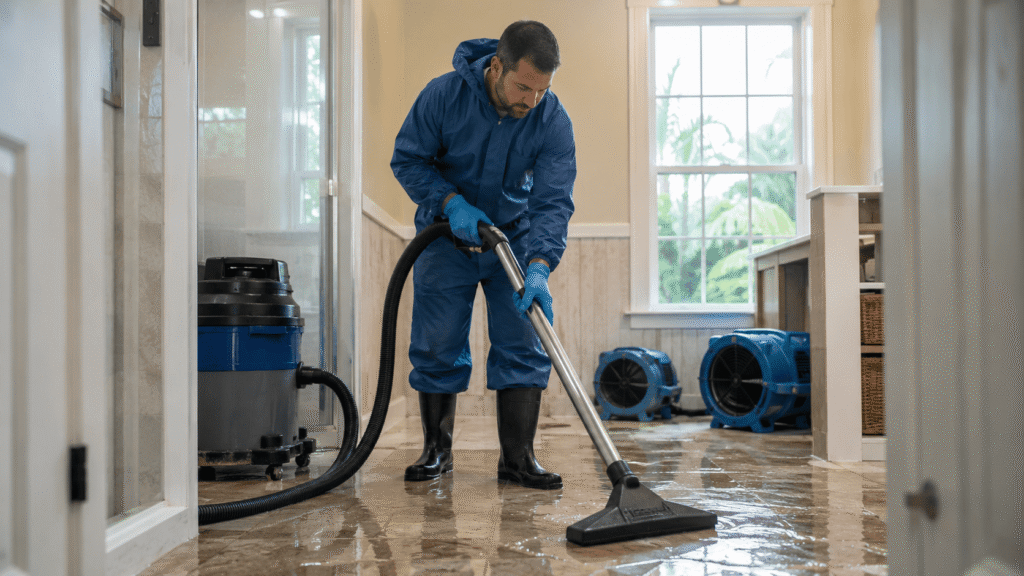
- Call a certified restoration company for emergency water extraction and drying before mold sets in – this is often covered as part of mitigation under your policy.
- Keep receipts for any temporary repairs, hotel stays, or emergency services.
Acting within the first 24–48 hours is critical, both for your claim and for preventing secondary damage like mold growth, which many policies exclude if it results from delayed action.
Working With Your Insurance Adjuster
Insurance adjusters aren’t out to get you, but they are trained to look for reasons a claim might fall outside your covered perils. Having a professional restoration company document the damage, cause, and moisture levels with proper equipment gives you an independent, technical record that supports your claim – rather than relying solely on the adjuster’s assessment.
Many restoration companies also offer direct insurance billing and can walk you through the claims process, which takes a significant burden off homeowners who are already dealing with a stressful situation.
Local Help Makes a Difference
Because so much of a successful water damage claim comes down to documentation, response time, and understanding what your specific policy covers, working with a local, IICRC-certified team matters. A company that already understands Thurston County’s climate, common failure points in local plumbing, and how South Sound insurers typically handle these claims can save you time, money, and frustration.
If you’re dealing with active water damage right now, don’t wait to see if it “dries out on its own.” The emergency water extraction process needs to start within hours, not days, to limit both the physical damage and the risk of your insurer questioning the timeline of your claim.
For ongoing prevention, especially heading into Washington’s wetter months, it’s worth having your home evaluated with a moisture detection inspection to catch small leaks before they become six-figure claims. Homeowners dealing with basement or crawl space issues specifically should look into basement flood removal services, since standing water in these areas creates both structural risk and mold risk simultaneously.
If your claim involves paperwork, adjuster meetings, or documentation you’re not sure how to handle, our team offers insurance claim assistance to help make sure nothing gets missed. And because mold is one of the fastest-developing secondary issues after any water event, pairing extraction with mold remediation services early on can prevent a second, separate claim down the road.
Curious how your situation compares to other water damage cases in the region? Our article on water damage restoration in Yelm vs. other cities breaks down how local climate and housing stock affect claims and outcomes.
For homeowners in different climates dealing with similar insurance questions, resources like Cape Coral FL Water Damage offer a useful comparison point for how coverage and claims can vary by region and risk profile.
Bottom Line
Homeowners insurance in Washington covers sudden, accidental water damage – not gradual leaks, and not flooding. Understanding that distinction before disaster strikes is the difference between a smooth claim and a denied one. If you’re ever unsure whether your situation is covered, the safest move is to call a local restoration expert who can document the damage properly and help you navigate the claims process from day one.
Need help right now? Call Yelm Water Damage Restoration at (360) 837-5163 for a free on-site assessment and 24/7 emergency response.
Leave a Reply